You do not need a full hour at the gym. Here you will find short home sessions that actually fit around work, kids, and everything else. We explain what happens in your body after a quick hard session, share ready-to-follow workout plans, and show you how trainers squeeze a lot of work into twenty minutes — all in plain language, no jargon required.
See workout plans Find my plan
When you finish a hard fifteen-minute session, your body does not just stop and sit still. Scientists call it the afterburn effect — your breathing may stay a bit heavier, your muscles keep repairing themselves, and you may use extra energy for some time afterwards. How much varies widely based on intensity, fitness level, sleep, and nutrition. Research suggests harder short sessions can add a modest extra calorie burn for several hours — not a full second workout.
Think of it like this: a tough session asks your body to recover, cool down, and refuel. That recovery work uses energy. Published studies report different numbers for different people; we share general information, not promises about weight loss or metabolism. For busy Kiwis, the practical value is fitting effective training into a short window — consistently, over weeks.
Learn more about afterburn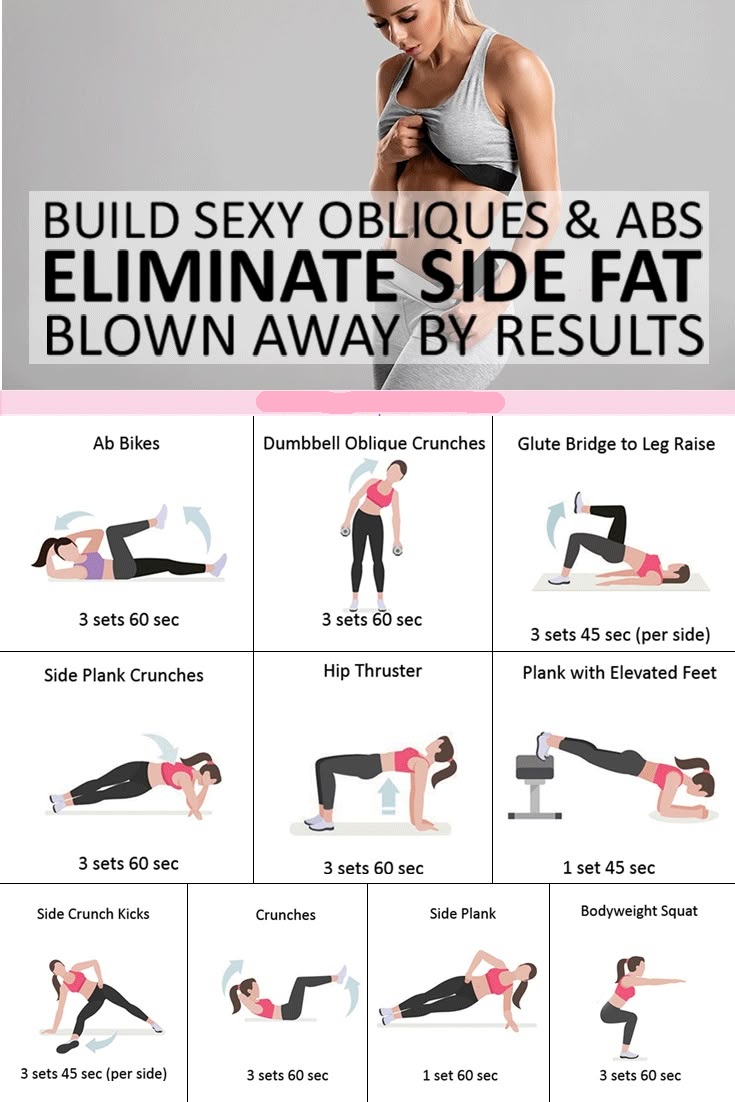
Every short workout does not have to look the same. The style you pick changes how hard you push and how much afterburn you get. Here are three formats that work well at home — no fancy gear needed.
Twenty seconds flat out, ten seconds rest, repeated eight times. Great for burpees, mountain climbers, or running on the spot. The whole hard block takes about four minutes, but it hits hard. Best if you are already comfortable with a racing heart rate.
At the start of each minute, do your reps — say five pull-ups and ten squats — then rest until the next minute begins. Fifteen minutes fly by, and the clock keeps you honest. No need to fuss over rest timers.
Set a fifteen-minute timer and repeat a simple circuit — push-ups, rows, lunges — as many times as possible. Write down your score and try to beat it next week. You get stronger without adding more time.
Whatever format you choose, build the session around big movements — squats, deadlifts, pushes, and pulls. They use more muscles at once, get your heart rate up faster, and give you more afterburn per minute. Small isolation exercises are fine, but in fifteen minutes, the big moves give you the best return.
Exercise is a manageable physical challenge — and in the right amount, many people find it helps energy, mood, and routine. We do not claim exercise prevents illness or replaces medical care. Fifteen focused minutes can be a practical way for generally healthy adults to stay active without overdoing it, especially when balanced with rest days.
Your body adapts to small, repeated challenges over time — the same broad idea behind gradually building a walking habit. A well-paced session, plus sleep and balanced food, supports general wellbeing for most people. If you have health questions, speak to your GP or another qualified professional.
Read more about movement and wellbeing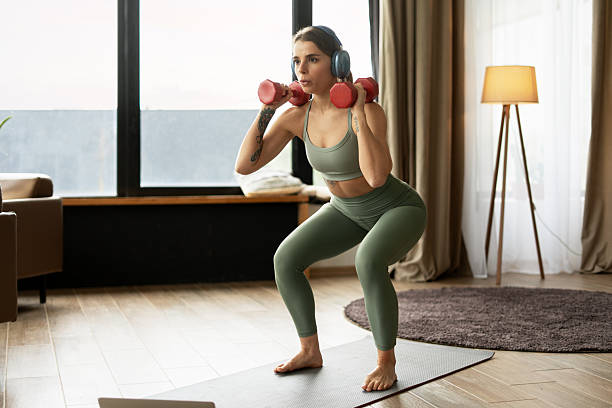
Good trainers are not magicians — they just waste less time. These are the methods they use with busy clients, and you can do the same at home.
The figures below are rough trainer estimates for illustration — not guaranteed outcomes or clinical measurements.
Answer three quick questions — your goal, your experience, and any sore spots — and we will suggest a starter plan that fits. The quiz gives general ideas only, not personalised medical or coaching advice. For adults 18+.
What do you want most from your workout?
How experienced are you?
Anything we should work around?
Short workouts are approachable, but treat them with respect. Clear floor space, wear decent shoes on hard surfaces, and stop straight away if you feel sharp pain, dizziness, or cannot catch your breath. These plans are for generally healthy adults. If you are pregnant, recovering from an injury, or managing an ongoing health condition, check with a health professional before starting something new.
Give yourself at least three minutes to get moving — arm circles, leg swings, a light march. Your joints will thank you.
Even a short session uses fluid. Have water before and after. On hot Christchurch days, an extra glass during recovery is a good idea.
Alternate hard days with easier stretching or walking. Good sleep is still the best recovery tool there is.
Train with others online or in person around Canterbury. Every event uses the same fifteen-to-twenty-minute formats you can repeat at home. All times are New Zealand time.
| Date | Event | Format |
|---|---|---|
| 18 Jun 2026 | Morning live workout stream | Online · 6:30 AM |
| 25 Jun 2026 | Riccarton Park Group Circuit | In-person · 7:00 AM |
| 2 Jul 2026 | Tabata Tuesday Challenge | Online · 12:15 PM |
| 9 Jul 2026 | Mobility & Recovery Workshop | Christchurch · 5:30 PM |
| 16 Jul 2026 | Time-saving workout masterclass | Online · 6:00 PM |
Dates shown are planned examples. Confirm time, location, and availability by email or phone before you travel.
Let us know you are coming
For many generally healthy adults, yes — if you work at a moderate-to-hard effort during those minutes. National activity guidelines encourage regular movement through the week. A focused fifteen-minute session done several times weekly may help you build a sustainable habit; individual results vary.
Most people benefit from three to five sessions weekly, mixing harder interval days with lighter mobility work. Listen to your body: persistent fatigue, disrupted sleep, or declining performance often signal you need an extra rest day.
Bodyweight sessions are fully viable. A resistance band and a pair of dumbbells expand your options considerably, but neither is mandatory to start. Many protocols on this site require nothing beyond floor space and a timer.
It is real, but ads often make it sound bigger than it is. Expect a modest extra calorie burn over the next few hours — not a full second workout. The real win is training regularly through the week and getting fitter over time.

Purifyenergy.ddd is an educational fitness website operated from Christchurch, New Zealand. We publish free workout guides, articles, and a simple quiz to help adults fit short home sessions into busy weeks.
We are not a medical clinic, pharmacy, or registered health provider. We do not sell supplements, weight-loss products, or miracle cures. Our content is written for general information and is reviewed for clarity — not as personalised coaching.
Nothing on this website diagnoses, treats, cures, or prevents any disease or health condition. Exercise carries risk. Stop if you feel pain, dizziness, or shortness of breath beyond normal exertion. Pregnant people, anyone recovering from injury, and people with ongoing health conditions should seek professional advice before training.
Contact us: 25 Mandeville Street, Riccarton, Christchurch 8041 · business@purifyenergy.world · +64 3 335 0208
Contact page